When a biotech investor evaluates a company’s commercial drug or late-stage pipeline asset, one of the most important — and most frequently overlooked — questions is: how long will this drug generate revenue before competition arrives? The answer depends on two separate but interacting legal systems: patent protection and FDA regulatory exclusivity. Understanding how these two systems work together, where they differ, and how to evaluate a drug’s true commercial runway is essential for assessing the long-term value of any approved or near-approved biotech asset.
The Short Answer
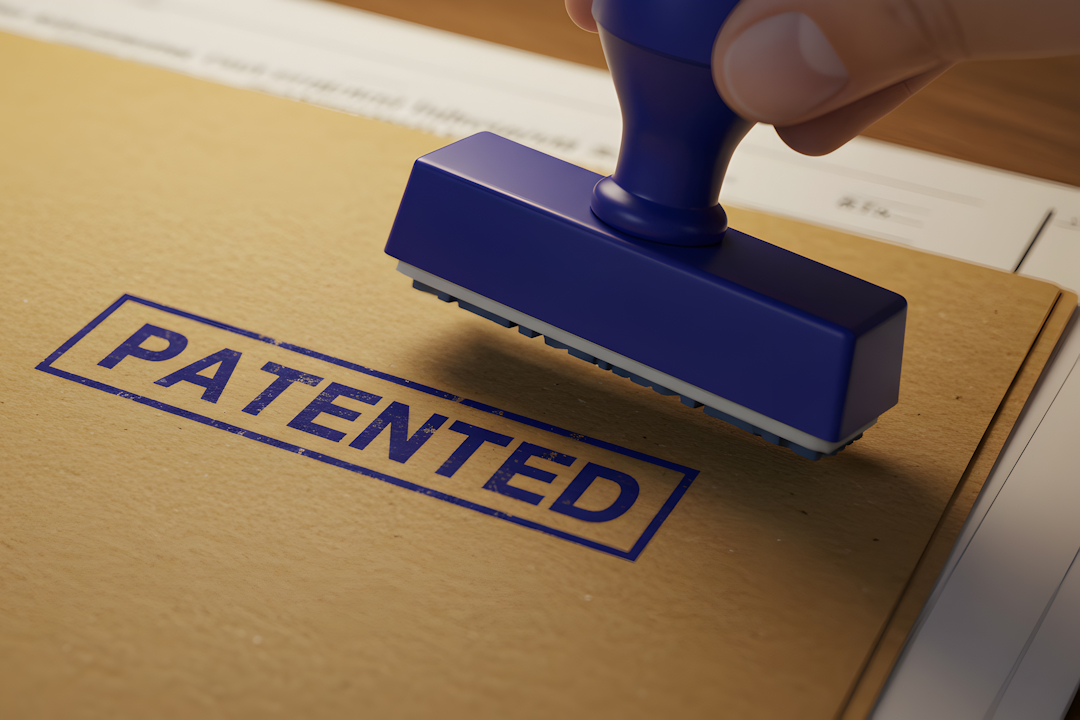
| Drug patents are intellectual property rights granted by the US Patent and Trademark Office that give the patent holder the exclusive right to prevent others from making, using, or selling the patented invention — typically covering the drug’s chemical composition, formulation, or method of use — for up to 20 years from the filing date. FDA exclusivity is a separate, regulatory form of market protection granted directly by the FDA upon approval, which prevents the agency from approving a generic or biosimilar competitor for a defined period, regardless of the patent situation. A drug’s true commercial runway is determined by whichever protection — patent or exclusivity — extends longer, and by how successfully the company defends both. |
The Hatch-Waxman Act and the Modern Balance of Innovation and Competition
The modern framework governing drug patents and generic competition was established by the Drug Price Competition and Patent Term Restoration Act of 1984 — universally known as the Hatch-Waxman Act. Before Hatch-Waxman, generic drug approval was slow and cumbersome, requiring generic manufacturers to essentially repeat much of the clinical testing already performed by the original developer, which discouraged generic competition and kept prices elevated even after patents expired.
Hatch-Waxman created a compromise that has shaped the pharmaceutical industry ever since: it established the Abbreviated New Drug Application (ANDA) pathway, allowing generic manufacturers to gain approval by demonstrating bioequivalence to the original drug without repeating full clinical trials — dramatically accelerating generic entry after patent expiry. In exchange, the Act gave branded drug makers patent term restoration — extending patent life to compensate for time lost during the FDA review process — and created statutory exclusivity periods that provide protection independent of the patent system.
The Biologics Price Competition and Innovation Act (BPCIA) of 2010 extended a similar logic to biologics, creating the abbreviated biosimilar approval pathway and a 12-year exclusivity period for new biologics — longer than the small-molecule exclusivity periods, reflecting the greater complexity of demonstrating biosimilarity for large molecule drugs.
Patents vs. Exclusivity — The Critical Distinction
Patents are granted by the US Patent and Trademark Office (USPTO) and can be filed at any point during drug development — often years before FDA approval, sometimes as early as the initial discovery of the compound. Because the patent clock starts at filing, not at approval, and drug development takes 10-15 years on average, the effective patent life remaining at the time of approval is often only 8-12 years, even though the original patent term is 20 years. Patents can cover multiple distinct aspects of a drug — the core chemical composition, specific formulations, methods of manufacturing, and methods of medical use — with different expiration dates, creating a layered protection strategy sometimes called a ‘patent thicket.’
FDA exclusivity, by contrast, is granted at the time of approval and runs independently of the patent situation. New Chemical Entity (NCE) exclusivity provides 5 years of protection for a truly novel active ingredient. Orphan Drug exclusivity provides 7 years for drugs treating rare diseases. Biologics exclusivity provides 12 years for novel biologics under the BPCIA. Pediatric exclusivity adds an additional 6 months to existing exclusivity periods when a company conducts FDA-requested pediatric studies. Because exclusivity runs from approval rather than filing, it often provides more predictable, better-defined protection than the patent estate for a drug that took an unusually long time to develop.
The Patent Cliff and How Companies Manage It
The term patent cliff describes the often-dramatic revenue decline a branded drug experiences when its core patent protection and exclusivity periods expire and generic or biosimilar competition enters the market. For small-molecule drugs, this decline can be severe and rapid — branded market share can fall from over 80% to under 10% within 12 months of generic entry, as multiple generic manufacturers compete aggressively on price.
Pharmaceutical companies employ several lifecycle management strategies to extend commercial protection: developing new formulations (extended-release versions, new dosing regimens) that can receive new, later-expiring patents; pursuing new indications that extend the drug’s relevance and sometimes its exclusivity; and, more controversially, engaging in patent litigation strategies designed to delay generic entry, which has drawn regulatory and Congressional scrutiny in recent years.
How Investors Should Evaluate Commercial Runway
Evaluating a drug’s true commercial runway requires looking at both the patent estate (searchable through the FDA’s Orange Book for small molecules or Purple Book for biologics) and the applicable regulatory exclusivity period, and identifying whichever protection extends furthest into the future — while accounting for the realistic risk of patent challenges through litigation. Investors modeling long-term revenue for an approved drug should identify the specific expiration dates for the core composition-of-matter patent (typically the most fundamental and hardest-to-design-around protection) and the applicable FDA exclusivity period, rather than assuming a uniform protection period across all pharmaceutical assets.
What This Does Not Guarantee
| Patent protection and FDA exclusivity do not guarantee that competitors cannot enter the market before the stated expiration dates. Patents can be successfully challenged and invalidated through litigation — a process called a Paragraph IV challenge for small molecules under Hatch-Waxman — sometimes resulting in earlier-than-expected generic entry. Settlement agreements between branded and generic manufacturers can also result in negotiated early entry dates that differ from the nominal patent expiration. Investors should treat published patent and exclusivity dates as the outer boundary of protection, not a guarantee, and should monitor ongoing patent litigation for any commercially significant asset. |
Key Takeaways
- A drug’s commercial runway is determined by two separate systems: patents (granted by USPTO, up to 20 years from filing) and FDA regulatory exclusivity (granted at approval, running independently of patents)
- The Hatch-Waxman Act (1984) established the modern framework balancing generic competition against innovation incentives for small molecules; the BPCIA (2010) did the same for biologics
- Common exclusivity periods: 5 years for New Chemical Entities, 7 years for Orphan Drugs, 12 years for novel biologics, plus 6 additional months for pediatric studies
- Because patents are filed early in development but drugs take 10-15 years to reach market, effective remaining patent life at approval is often only 8-12 of the original 20 years
- The patent cliff — the revenue decline when protection expires — can be severe and rapid for small molecules facing generic competition, and slower for biologics facing biosimilars
- Companies extend commercial protection through new formulations, new indications, and patent litigation strategies
- Published patent and exclusivity expiration dates are not guarantees — patent challenges and litigation settlements can result in earlier generic or biosimilar entry
Sources
1. FDA — Hatch-Waxman Act: https://www.fda.gov/drugs/development-approval-process-drugs/hatch-waxman-act
2. FDA — Orange Book: https://www.fda.gov/drugs/drug-approvals-and-databases/approved-drug-products-therapeutic-equivalence-evaluations-orange-book
3. FDA — Purple Book (Biologics): https://purplebooksearch.fda.gov
4. USPTO: https://www.uspto.gov
Disclaimer
This article is based on publicly available regulatory information, company filings, and authoritative industry sources. All information was current as of the date of publication. BioTech Stocks Daily has not received compensation from any company referenced in this article in connection with this coverage.
This article contains references to forward-looking statements and clinical projections. Forward-looking statements involve known and unknown risks and uncertainties, and actual results may differ materially from those projected. Past clinical results do not guarantee future outcomes.
The information provided in this article is for informational and educational purposes only and does not constitute financial, investment, or medical advice. Readers are encouraged to conduct their own due diligence and consult a qualified financial advisor before making any investment decision.
For full terms, see our Disclaimer.