Pharmaceuticals

Thryv Licenses New SGK1 Chemistry for Brain Disease
Thryv Therapeutics Inc., a private, Montreal-based clinical-stage biopharmaceutical company, announced on September 3 that it has entered an exclusive, worldwide, royalty-bearing license agreement with three Spanish research institutions, the Spanish National Research Council (CSIC), the Autonomous University of Madrid (UAM), and the Fundación de la Universidad Autónoma de Madrid, covering a new class of SGK1…
What Is Drug Formulation and Delivery? Why How a Drug Is Given Matters as Much as What It Is
Two drugs can share the exact same active pharmaceutical ingredient and produce dramatically different clinical and commercial outcomes based entirely on how that ingredient is formulated and delivered to the body. Drug formulation and delivery technology — often less visible to investors than the underlying drug molecule itself — determines how quickly a drug is…
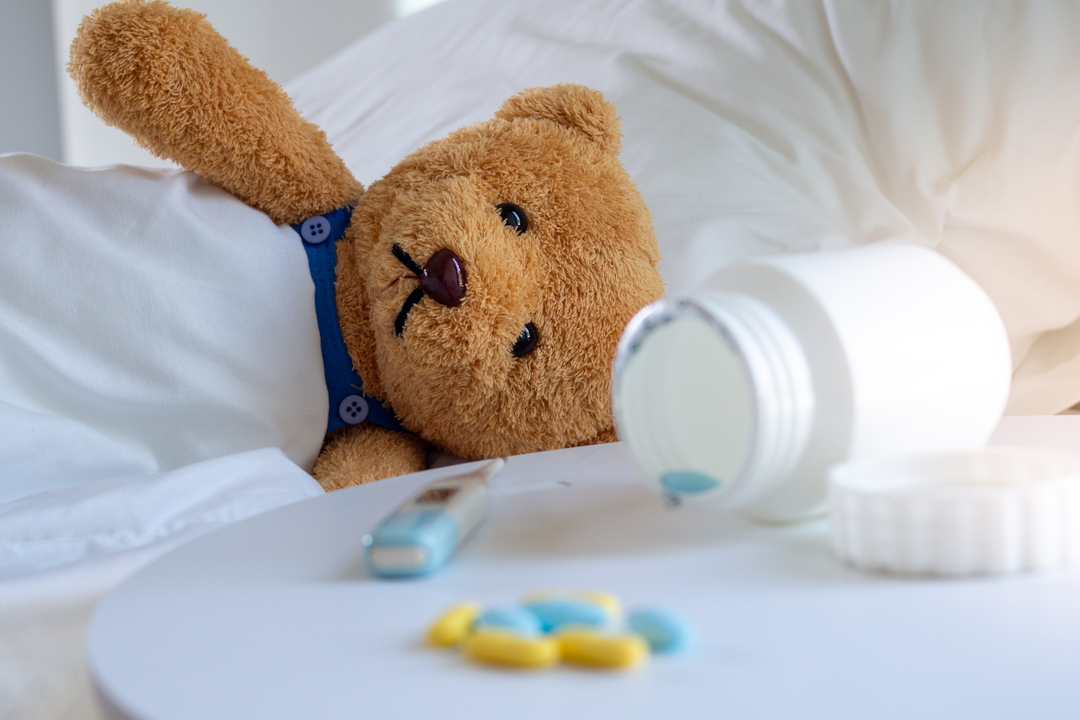
What Is Pediatric Drug Development? Why Testing Drugs in Children Requires a Different Approach
Children are not simply small adults, and drugs that are safe and effective in adults cannot be assumed to work the same way in a developing body. Pediatric drug development addresses this reality through a distinct regulatory framework — one that has evolved considerably over the past three decades to close a historical gap in…
Rhelion to Supply Psilocybin for Parkinson’s Depression Trial
Rhelion Life Sciences Corp. (CSE: RHEL; OTCQB: TRUFF) said its wholly owned subsidiary, Filament Health Corp., has entered a license agreement with Toronto’s University Health Network to supply PEX010 for a randomized clinical trial studying psilocybin as a potential treatment for depression in people with Parkinson’s disease. The investigator-initiated study, called PSI-PARK, will be sponsored…
Biomind Labs Begins CSE Trading While Pipeline Awaits Funding
Biomind Labs Inc. (CSE: BMND; OTC Pink: BMNDF), a Vancouver-based clinical-stage biopharmaceutical company developing central nervous system therapies, began trading on the Canadian Securities Exchange on August 11 under the symbol BMND. Its common shares were previously listed on Cboe Canada, where they were delisted at the close of trading on August 10. Biomind said…
What Is Drug Patent Protection and Exclusivity? Understanding a Biotech’s Commercial Runway
When a biotech investor evaluates a company’s commercial drug or late-stage pipeline asset, one of the most important — and most frequently overlooked — questions is: how long will this drug generate revenue before competition arrives? The answer depends on two separate but interacting legal systems: patent protection and FDA regulatory exclusivity. Understanding how these…

Karyopharm Plans August FDA Filing for Selinexor Combination
Karyopharm Therapeutics Inc. (Nasdaq: KPTI), a commercial-stage pharmaceutical company focused on cancer therapies, plans to submit a supplemental New Drug Application to the U.S. Food and Drug Administration in August 2026 for selinexor in combination with ruxolitinib as a treatment for myelofibrosis. The company said it will seek accelerated approval following discussions with the FDA.…
HLS Secures Broad Private Coverage for NILEMDO Across Canada
HLS Therapeutics Inc. (TSX: HLS), a specialty pharmaceutical company focused on cardiovascular and psychiatric treatments, has expanded Canadian reimbursement access for NILEMDO, its oral cholesterol-lowering medication. The company said it has secured reimbursement agreements with Canada’s largest private payers, which it estimates represent approximately 80% of privately insured Canadians. Most patients covered by those plans…
What Is Combination Therapy? Why Biotech Companies Pair Drugs Together
Look at the treatment regimen for almost any serious chronic or complex disease — HIV, tuberculosis, most advanced cancers, hepatitis C before it was cured — and you will find combination therapy: two or more drugs used together rather than a single agent alone. Combination therapy is one of the most consistently successful strategies in…
What Is Off-Label Drug Use? The Practice Every Biotech Investor Should Understand
When the FDA approves a drug, it approves it for a specific indication — a defined patient population with a defined disease or condition. But once a drug is on the market, physicians are legally permitted to prescribe it for any use they believe is in their patient’s best interest, including uses not mentioned on…