CAR-T cell therapy represents one of the most significant advances in cancer treatment in decades — and one of the most technically complex, logistically challenging, and expensive therapeutic approaches ever brought to market. For biotech investors, CAR-T is both an established commercial reality and an active area of development where the next generation of therapies is being built. Understanding what CAR-T is, how it works, what the manufacturing challenges are, and where the technology is heading is essential context for investing in the cell therapy space.
The Short Answer
| CAR-T cell therapy (Chimeric Antigen Receptor T cell therapy) is a form of immunotherapy in which a patient’s own T cells — the immune system’s frontline cancer-fighting cells — are extracted, genetically engineered in a laboratory to express a synthetic receptor that targets cancer cells, expanded to large numbers, and then infused back into the patient. The engineered receptor, called a chimeric antigen receptor (CAR), allows the T cells to recognize and destroy cancer cells expressing the target antigen with high specificity. CAR-T therapies currently on the market are primarily used in blood cancers where other treatments have failed. |
From Laboratory Concept to First Approved Therapy
The concept of engineering T cells to recognize specific targets was developed by Zelig Eshhar at the Weizmann Institute in Israel in the late 1980s. The approach was refined through the 1990s and 2000s by several research groups, including Carl June’s lab at the University of Pennsylvania, which demonstrated remarkable results in patients with advanced leukemia and generated international attention.
The pivotal moment came in 2011 when June’s team reported on two adult patients with advanced chronic lymphocytic leukemia who achieved complete and durable remissions after receiving CAR-T therapy — at the time considered essentially incurable. The case reports, published in the New England Journal of Medicine and Science Translational Medicine, triggered a wave of pharmaceutical investment in the technology.
In August 2017, Novartis received FDA approval for Kymriah (tisagenlecleucel) — the first CAR-T therapy and the first gene therapy of any kind approved in the United States. Kite Pharma (acquired by Gilead Sciences) received approval for its CAR-T therapy Yescarta (axicabtagene ciloleucel) just months later. Multiple additional CAR-T products have since been approved for various blood cancers.
How the CAR-T Manufacturing Process Works
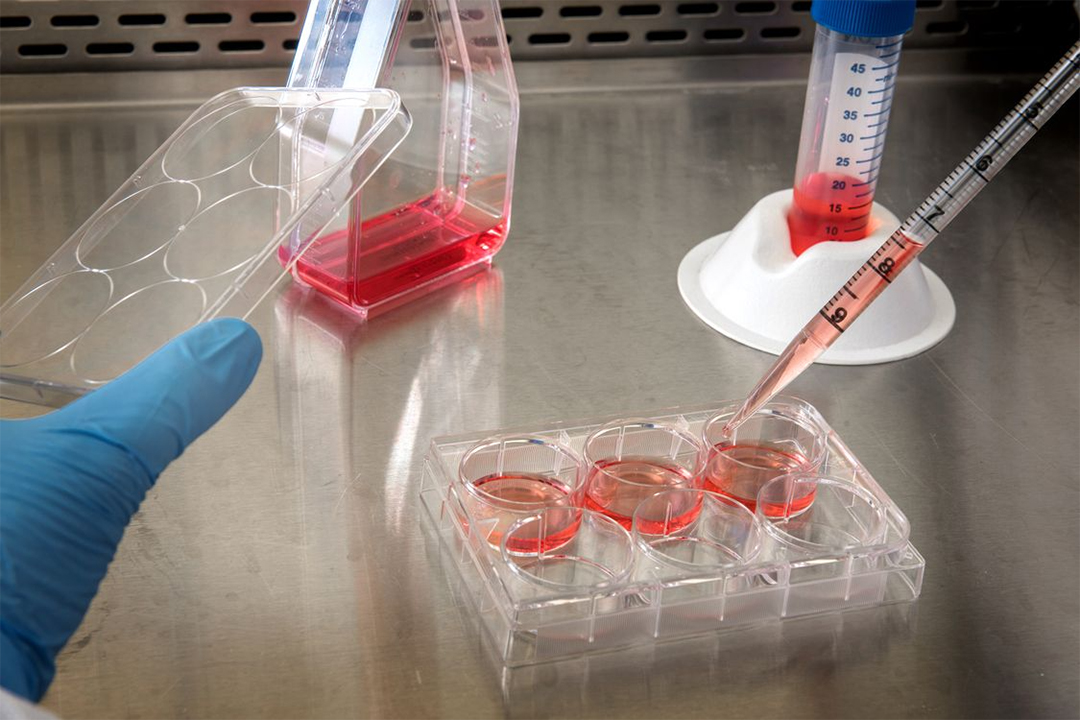
The manufacturing process for autologous CAR-T therapy — where the patient’s own cells are used — is far more complex than conventional drug manufacturing. The process begins with leukapheresis, in which the patient’s blood is drawn and T cells are separated out. These cells are then shipped to a central manufacturing facility, where they are activated, transduced with a viral vector carrying the CAR gene (usually a lentiviral or retroviral vector), expanded in culture until sufficient cell numbers are reached, formulated, quality-tested, and frozen for shipment back to the treatment center.
The entire process takes approximately three to four weeks, during which the patient’s cancer may continue to progress. Manufacturing failures — where the cells do not expand adequately or do not pass quality specifications — are a real clinical risk, particularly in patients with heavily pre-treated immune systems. Manufacturing complexity and vein-to-vein turnaround time are among the greatest operational challenges facing commercial CAR-T programs.
Autologous vs. Allogeneic CAR-T — The Next Frontier
Current approved CAR-T products are autologous — made from each individual patient’s own cells. This creates the manufacturing complexity described above and limits scalability and access. The next major development frontier is allogeneic CAR-T — therapies made from the cells of healthy donors, manufactured in large batches and stored as off-the-shelf products, available immediately without the weeks-long manufacturing wait.
Allogeneic CAR-T would dramatically change the commercial economics and accessibility of cell therapy. However, it introduces new scientific challenges: donor T cells can attack the patient’s healthy tissue (graft-versus-host disease), and the patient’s immune system can reject the donor cells. Multiple companies including Allogene Therapeutics (NASDAQ: ALLO) are in clinical development with allogeneic approaches, though none had yet achieved the efficacy of autologous products as of early 2025.
Expanding Beyond Blood Cancers
All currently approved CAR-T therapies target blood cancers — specifically B cell malignancies such as acute lymphoblastic leukemia, diffuse large B cell lymphoma, and multiple myeloma. Extending CAR-T to solid tumors is one of the most active and challenging frontiers in cell therapy research. Solid tumors present several additional obstacles: the tumor microenvironment is immunosuppressive, solid tumor antigens are less uniformly expressed than blood cancer antigens, and physical barriers complicate T cell infiltration into the tumor mass.
What This Does Not Guarantee
| CAR-T therapy’s approval for blood cancers does not mean it will succeed in solid tumors or other applications currently in development. The impressive remission rates seen in some blood cancer trials do not translate automatically to other tumor types. Manufacturing failures, cytokine release syndrome (a potentially life-threatening immune overreaction), neurotoxicity, and the allogeneic rejection problem are active clinical risks that investors in cell therapy companies must understand and factor into their analysis. |
Key Takeaways
- CAR-T therapy engineers a patient’s own T cells with a synthetic cancer-targeting receptor, then infuses them back to fight cancer
- The first CAR-T therapy (Novartis’ Kymriah) received FDA approval in August 2017 — the first gene therapy approval in US history
- All currently approved CAR-T products target blood cancers; solid tumor applications remain an active and challenging development frontier
- Autologous CAR-T manufacturing is highly complex, taking 3–4 weeks per patient, with real risks of manufacturing failure
- Allogeneic (‘off-the-shelf’) CAR-T aims to solve the scalability and access problem but faces new scientific challenges including rejection and graft-versus-host disease
- Major publicly traded CAR-T companies include those under the Novartis and Gilead/Kite portfolios and clinical-stage developers including Allogene Therapeutics
- Manufacturing complexity, cytokine release syndrome, and neurotoxicity are ongoing clinical and commercial risks in the CAR-T space
Sources
1. FDA — Kymriah (Novartis) Approval: https://www.fda.gov/vaccines-blood-biologics/cellular-gene-therapy-products/kymriah-tisagenlecleucel
2. FDA — Yescarta (Kite/Gilead) Approval: https://www.fda.gov/vaccines-blood-biologics/cellular-gene-therapy-products/yescarta-axicabtagene-ciloleucel
3. NCI — CAR T-Cell Therapy: https://www.cancer.gov/about-cancer/treatment/research/car-t-cells
4. June et al. (2011) NEJM — CAR-T in CLL: https://pubmed.ncbi.nlm.nih.gov/21830940/
Disclaimer
This article is based on publicly available regulatory information, company filings, and authoritative industry sources. All information was current as of the date of publication. BioTech Stocks Daily has not received compensation from any company referenced in this article in connection with this coverage.
This article contains references to forward-looking statements and clinical projections. Forward-looking statements involve known and unknown risks and uncertainties, and actual results may differ materially from those projected. Past clinical results do not guarantee future outcomes.
The information provided in this article is for informational and educational purposes only and does not constitute financial, investment, or medical advice. Readers are encouraged to conduct their own due diligence and consult a qualified financial advisor before making any investment decision.
For full terms, see our Disclaimer.