Telo Genomics Corp. (TSXV: TELO; OTCQB: TDSGF) has reported clinical research results showing that its experimental blood-based TELO-MRD assay detected residual multiple myeloma cells in a higher proportion of matched samples than a bone-marrow test.
The September 15 announcement covered 42 samples matched by patient and collection date. TELO-MRD detected circulating myeloma cells in 39 of the 42 samples, or 92.9%, compared with 23 samples, or 54.8%, identified as positive using EuroFlow next-generation flow cytometry.
TELO-MRD returned a positive result in 17 of the 19 samples classified as negative by EuroFlow and 22 of the 23 samples classified as positive. The company reported a McNemar statistical-test result of p=0.000145.
The comparison does not establish that TELO-MRD is clinically superior or that every additional cell detected indicates a meaningful risk of relapse. The matched analysis was small, and the announcement did not provide prospective relapse outcomes, predictive sensitivity and specificity or evidence that using the assay improves patient-management decisions.
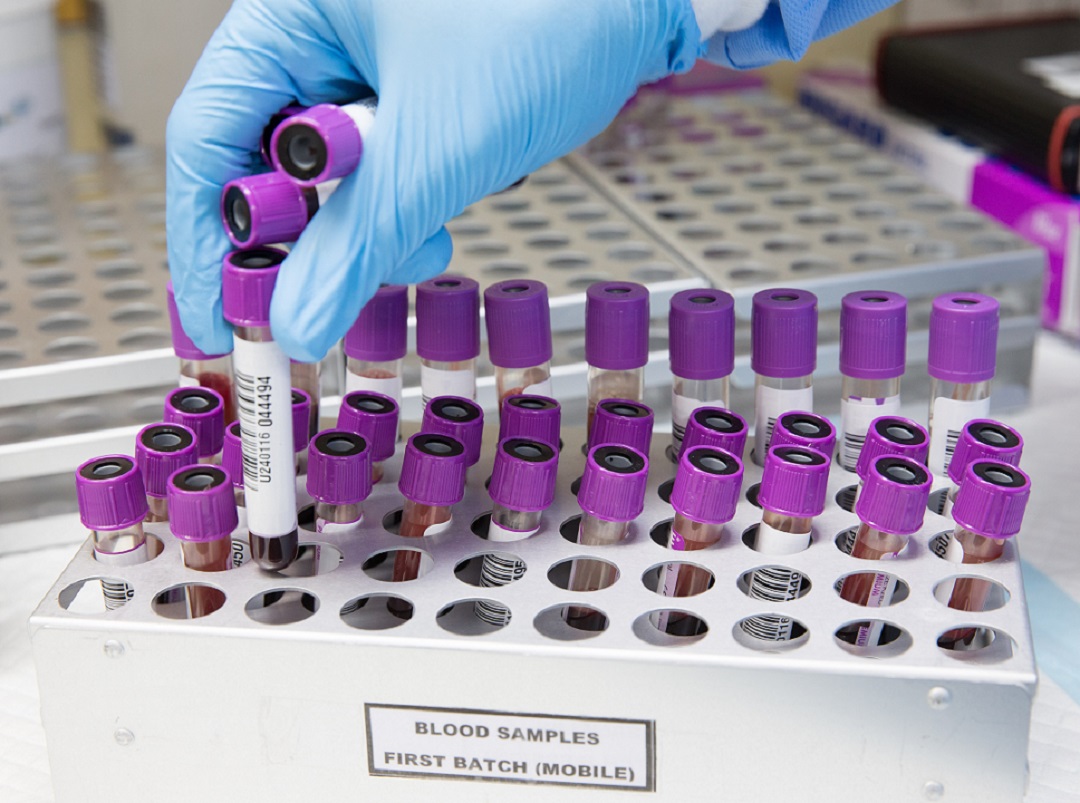
Multiple myeloma is a blood cancer involving plasma cells. Minimal residual disease testing looks for small numbers of cancer cells that remain after treatment. Current testing methods commonly require bone-marrow samples, while a validated blood test could potentially support less-invasive and more frequent monitoring.
TELO-MRD combines the enumeration of circulating myeloma cells with three-dimensional telomere profiling using Telo Genomics’ proprietary TeloView platform. The company is studying whether genomic instability identified through telomere analysis can help distinguish patients at greater risk of relapse.
The broader retrospective study, conducted with the University of Athens, included approximately 100 samples collected at diagnosis and 64 collected during residual-disease monitoring. Telo Genomics has acknowledged that larger independent studies are needed to establish reproducibility and clinical utility.
A peer-reviewed BioTechniques paper published earlier in 2026 described the underlying liquid-biopsy workflow. Researchers reported an analytical detection limit of approximately one tumor cell per 10 million white blood cells in controlled experiments and tested feasibility in 20 newly diagnosed patients. Several authors were affiliated with Telo Genomics, and the paper did not independently validate the latest matched-sample results.
Chairman and CEO John Farlinger said TeloView “detected residual disease in a higher proportion of matched samples than bone-marrow EuroFlow NGF in this dataset.”
TELO-MRD is not commercially available. Telo Genomics is targeting a potential commercial application by the end of 2027, subject to further validation, development, financing and any applicable laboratory or regulatory requirements.
Financial capacity remains a risk. Telo reported approximately C$975,000 in cash and C$2.19 million in total liabilities as of March 31, 2026. It recorded a nine-month net loss of approximately C$1.63 million and identified material uncertainty related to its ability to continue as a going concern.
Upcoming Catalysts
- Larger independent studies evaluating reproducibility
- Publication of relapse-prediction and patient-outcome data
- Additional clinical-validation partnerships
- Details about the laboratory and commercialization pathway
- Progress toward the company’s year-end 2027 commercial objective
- Financing activity ahead of its December 2026 convertible-debenture maturity
Sources
- Telo Genomics reports TELO-MRD clinical research results — September 15, 2026
- Telo Genomics launches University of Athens study — April 14, 2026
- BioTechniques paper on the circulating-tumor-cell workflow — PubMed
- Telo Genomics interim financial statements for March 31, 2026
- Telo Genomics closes convertible-debenture financing — March 9, 2026
Editorial Disclosure
This article is based entirely on publicly available information, including company announcements, financial statements and a peer-reviewed scientific publication. Securities discussed or referenced include Telo Genomics Corp. (TSXV: TELO; OTCQB: TDSGF). Biotech Stocks Daily has not received compensation from Telo Genomics, its management, investor relations representatives or any third party for this specific article. Biotech Stocks Daily may have current or past paid business relationships with other companies, which do not influence the content or conclusions of this article. No staff member or principal of Biotech Stocks Daily holds a position in any security mentioned at the time of publication.
Sources include Telo Genomics’ September 15, 2026 research announcement, its April 14, 2026 study announcement, its March 9, 2026 financing release, interim financial statements for the period ended March 31, 2026 and the BioTechniques paper indexed by PubMed.
TELO-MRD remains under development and is not commercially available. The matched comparison included only 42 samples. A higher detection rate does not establish clinical superiority, prove that EuroFlow produced false-negative results or demonstrate that every additional positive result predicts a clinically meaningful relapse.
The latest comparative results were reported by the company and have not been confirmed through a large independent prospective trial. The cited technical paper included company-affiliated authors and primarily supports the analytical feasibility of the workflow. Commercialization targets and future study plans are forward-looking and may be delayed or unsuccessful.
Financial information is reported in Canadian dollars and reflects the company’s unaudited position as of March 31, 2026. Telo reported ongoing losses, negative equity and material uncertainty related to its ability to continue as a going concern. Its C$1.385 million convertible-debenture financing carries a 15% interest rate and includes conversion and warrant provisions that could dilute existing shareholders.
Biotechnology securities are speculative investments carrying significant risk, including the potential total loss of capital. Coverage on Biotech Stocks Daily is provided for informational and educational purposes only. Biotech Stocks Daily is not a registered investment advisor. Nothing in this article constitutes financial, investment or professional advice. Readers are encouraged to conduct their own due diligence and consult a qualified financial advisor before making investment decisions. For more information, please see our full DISCLAIMER.