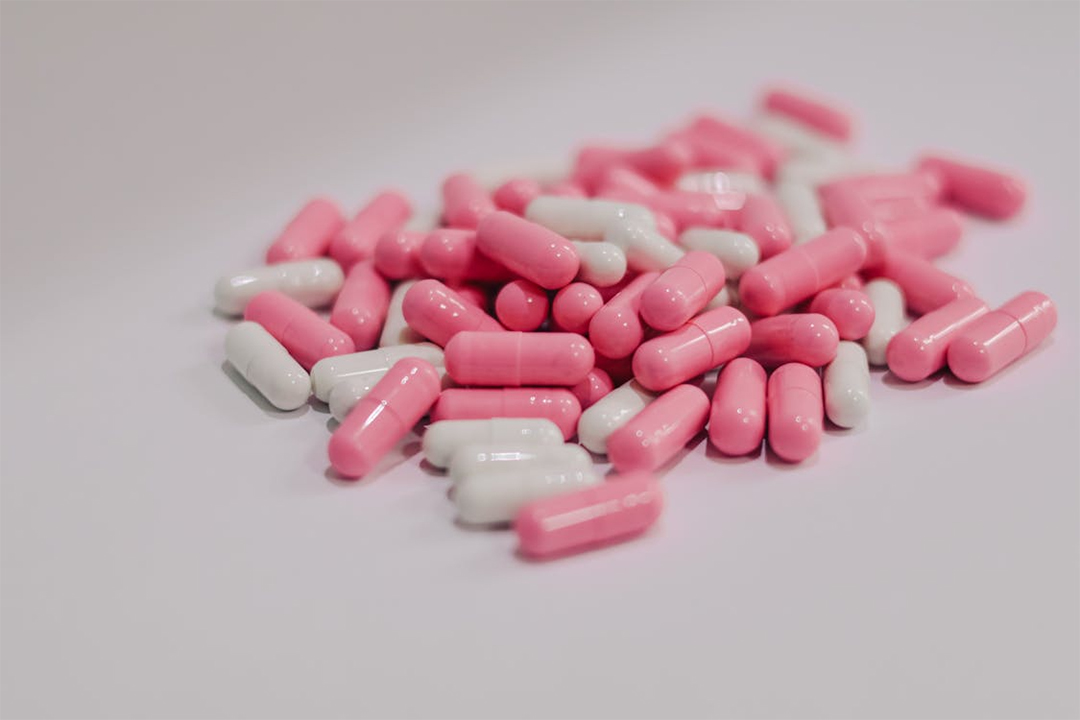
When you read about a biotech company’s pipeline, every drug falls into one of two fundamental categories: a small molecule or a biologic. This distinction affects how the drug is manufactured, how it is delivered to patients, how it is regulated by the FDA, how long it retains market exclusivity, and ultimately how much revenue it can generate over its commercial lifetime. Understanding the difference between small molecules and biologics — and the investment implications of each — is one of the most useful frameworks for evaluating biotech pipelines.
The Short Answer
| A small molecule drug is a chemically synthesized compound with a relatively simple, well-defined molecular structure — typically a pill or tablet taken orally. Examples include aspirin, statins, most blood pressure medications, and many cancer drugs such as imatinib and osimertinib. A biologic drug is a therapeutic product derived from a living organism — typically a protein produced in genetically engineered cells. Examples include monoclonal antibodies (adalimumab, pembrolizumab), insulin, vaccines, and cell and gene therapies. Biologics are dramatically larger and more structurally complex than small molecules, and that complexity drives most of the differences between them. |
The Structural Chemistry That Defines the Difference
The molecular weight of a typical small molecule drug is in the range of 300–600 daltons — small enough to be absorbed through the gastrointestinal tract, reach the bloodstream, and cross cell membranes to interact with intracellular targets. This is why most small molecules can be taken as pills. They are chemically synthesized through a sequence of defined reactions, and the resulting compound is structurally identical batch after batch.
A typical monoclonal antibody — a common type of biologic — has a molecular weight of approximately 150,000 daltons, roughly 300 times larger. This size means biologics cannot survive oral administration — stomach acid and digestive enzymes degrade them before they can be absorbed. Most biologics are administered by injection or intravenous infusion. They are produced in living cell lines — Chinese hamster ovary (CHO) cells are commonly used — where the cells synthesize the protein. Because the biological production process involves living systems, minute changes in conditions can affect the protein’s three-dimensional structure and its biological activity.
Manufacturing: Chemistry Lab vs. Bioreactor
Small molecule manufacturing is primarily a chemistry operation. The drug is synthesized through a sequence of chemical reactions in defined conditions, producing an active pharmaceutical ingredient (API) that is then formulated into a pill or other dosage form. Manufacturing is highly reproducible, and the product can be fully characterized using analytical chemistry. Cost of goods tends to be low for mature small molecules, supporting oral formulation economics.
Biologic manufacturing is primarily a cell biology operation. The producing cell line must be carefully characterized and maintained, and the drug is harvested from the culture medium, purified through multiple steps, and formulated under conditions that preserve its activity and prevent degradation. Manufacturing complexity is substantially higher, costs of goods are substantially greater, and the supply chain requires cold chain management. The phrase ‘the process is the product’ reflects the reality that the biological production process is inseparable from the characteristics of the resulting drug.
Patent Cliffs vs. Biosimilar Transitions
When a small molecule drug’s patent expires, generic manufacturers can enter the market through the ANDA (Abbreviated New Drug Application) pathway, proving pharmaceutical equivalence without repeating clinical trials. Generic entry can be rapid and dramatic: a small molecule that held 80% market share can see that share collapse to single digits within a year of generic launch. This is the ‘patent cliff’ that pharmaceutical companies manage through lifecycle strategies.
For biologics, the equivalent post-patent competition comes through biosimilars — products demonstrated to be highly similar to the reference biologic. Biosimilar development requires substantial investment: clinical studies, extensive analytical characterization, and the manufacturing capability to reproduce the reference drug’s biological profile. As a result, biosimilar competition enters later and more slowly than generic competition, giving branded biologics a longer period of protected revenue. Humira (adalimumab), the world’s best-selling biologic for most of the past decade, retained dominant market share well into its biosimilar transition.
Intracellular vs. Extracellular Targets — Why It Matters for Drug Design
Because small molecules are small enough to enter cells, they can target proteins inside the cell — kinases, transcription factors, enzymes involved in intracellular signaling pathways. This is why the majority of oncology small molecules are kinase inhibitors: kinases are intracellular enzymes that drive cancer cell proliferation. Biologics, being large proteins that generally cannot cross cell membranes, are limited primarily to extracellular targets — receptors on the cell surface, proteins circulating in the blood, or proteins expressed on the outer surface of cells.
This targeting difference means that small molecules and biologics are often complementary rather than competing — they can be combined to hit the same disease pathway at multiple points, which is a common strategy in combination oncology regimens.
What This Does Not Guarantee
| Neither modality guarantees clinical success or commercial durability. Small molecules can fail in clinical trials just as biologics can. Generic competition can rapidly erode a small molecule franchise; biosimilar competition, while slower, is increasingly well-funded and will eventually compress biologic margins. The modality of a drug tells you about its structural properties and competitive dynamics — it says nothing directly about the drug’s clinical efficacy or safety profile in the target indication. |
Key Takeaways
- Small molecules are chemically synthesized, typically orally administered drugs; biologics are proteins produced in living cells, typically administered by injection or infusion
- Small molecules are typically 300–600 daltons; monoclonal antibodies are approximately 150,000 daltons — the size difference determines delivery route and manufacturing approach
- Small molecule manufacturing occurs in chemistry reactors; biologic manufacturing occurs in living cell bioreactors with substantially higher complexity and cost
- Small molecules face rapid generic competition after patent expiry via the ANDA pathway; biologics face slower, more expensive biosimilar competition
- Small molecules can target intracellular proteins (like kinases); biologics are generally limited to extracellular or cell-surface targets — making the two modalities often complementary
- Both file different applications with the FDA: small molecules via NDA; biologics via BLA
- Neither modality inherently predicts clinical success — each drug must be evaluated on its own merits regardless of whether it is a small molecule or a biologic
Sources
1. FDA — New Drug Application (NDA): https://www.fda.gov/drugs/types-applications/new-drug-application-nda
2. FDA — Biologics License Application (BLA): https://www.fda.gov/drugs/types-applications/biologics-license-application-bla-process-cber-regulated-products
3. FDA — Biosimilar Development: https://www.fda.gov/drugs/therapeutic-biologics-applications-bla/biosimilars
4. NIH National Cancer Institute — Targeted Cancer Therapies: https://www.cancer.gov/about-cancer/treatment/types/targeted-therapies
Disclaimer
This article is based on publicly available regulatory information, company filings, and authoritative industry sources. All information was current as of the date of publication. BioTech Stocks Daily has not received compensation from any company referenced in this article in connection with this coverage.
This article contains references to forward-looking statements and clinical projections. Forward-looking statements involve known and unknown risks and uncertainties, and actual results may differ materially from those projected. Past clinical results do not guarantee future outcomes.
The information provided in this article is for informational and educational purposes only and does not constitute financial, investment, or medical advice. Readers are encouraged to conduct their own due diligence and consult a qualified financial advisor before making any investment decision.
For full terms, see our Disclaimer.