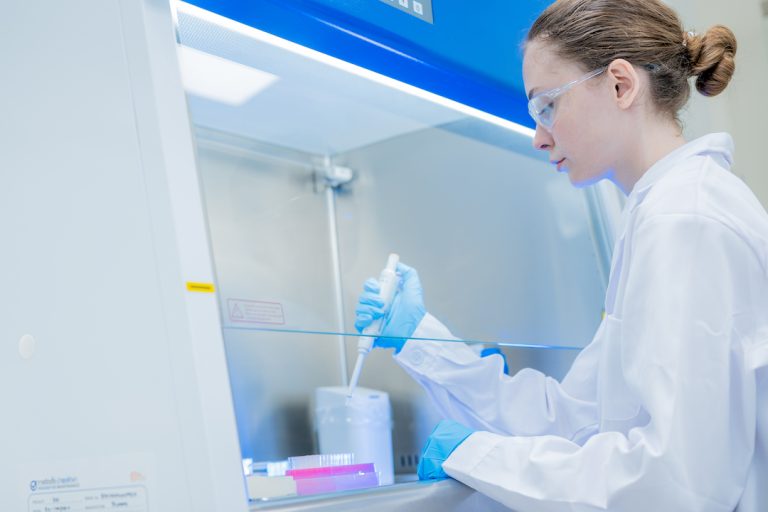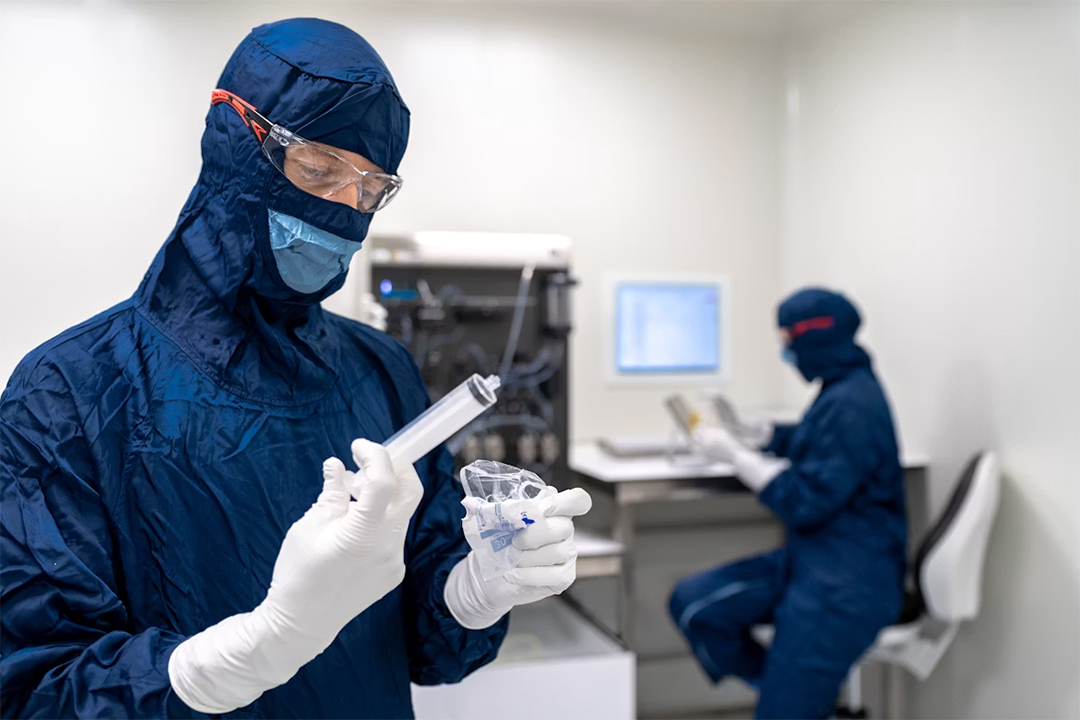
The COVID-19 pandemic brought mRNA technology from the laboratory into global consciousness, delivering two of the most rapidly developed and widely administered vaccines in history. But for biotech investors, the real significance of the mRNA platform is not what it accomplished in 2020 and 2021 — it is what it enables going forward. Moderna, BioNTech, and a growing field of competitors are applying the same fundamental technology to cancer vaccines, influenza, HIV, rare metabolic diseases, heart failure, and beyond. Understanding what mRNA technology is, how it works, and what the next wave of applications looks like is essential context for investors tracking this platform.
The Short Answer
| mRNA (messenger RNA) technology works by delivering genetic instructions to a patient’s cells, telling them to produce a specific protein — either as a vaccine target (to train the immune system) or as a therapeutic protein to treat disease. Unlike traditional vaccines or biologics that deliver the protein directly, mRNA therapy delivers the blueprint, letting the body’s own cellular machinery manufacture the protein. The mRNA is typically delivered using lipid nanoparticles — engineered fat bubbles — that protect the fragile mRNA and ferry it into cells. |
Decades of Research Before the Pandemic Breakthrough
mRNA technology was not invented in 2020. The foundational work stretches back decades, to researchers who struggled for years with a fundamental problem: synthetic mRNA was inherently inflammatory — the immune system recognized it as a foreign intruder and destroyed it before it could deliver its instructions. For much of its early history, mRNA therapeutics was considered an interesting concept that could not be practically implemented.
The breakthrough came from the work of Katalin Karikó and Drew Weissman at the University of Pennsylvania, who discovered in 2005 that modifying specific nucleosides (the building blocks of RNA) made synthetic mRNA far less immunogenic — allowing it to evade immune destruction and reach cells intact. This discovery, for which Karikó and Weissman were awarded the Nobel Prize in Physiology or Medicine in 2023, is the foundational intellectual property that underpins Moderna’s and BioNTech’s platforms.
The development of effective lipid nanoparticle delivery systems — stable fat-based carriers that protect mRNA and enable cellular uptake — was a parallel critical advance. By the late 2010s, both Moderna and BioNTech had built robust mRNA platforms; COVID-19 provided the catalyst and the urgency to deploy them at unprecedented speed and scale.
How mRNA Vaccines and Therapeutics Work
In an mRNA vaccine, the instructions encode an antigen — a piece of a pathogen’s protein that the immune system can learn to recognize. Once inside the cell, the mRNA is translated into the antigen protein by the cell’s ribosomes — the same machinery used for all cellular protein synthesis. The immune system detects the antigen, mounts a response, and builds memory cells that will recognize the actual pathogen on future exposure. The mRNA itself is degraded within days and does not persist in the body.
In an mRNA therapeutic, the instructions encode a functional protein that is missing or deficient in disease. For rare metabolic diseases caused by defective enzyme production, delivering mRNA encoding the functional enzyme can temporarily restore the missing activity. For cancer, mRNA can encode tumor-specific antigens — mutations unique to an individual patient’s tumor — to train the immune system to recognize and attack the cancer.
The Next Wave: Cancer Vaccines and Personalized Medicine
The most actively pursued post-COVID mRNA application is personalized cancer vaccines. The concept: sequence a patient’s tumor DNA, identify mutations unique to that tumor (neoantigens), design a custom mRNA encoding those neoantigens, and use it to instruct the immune system to target the patient’s specific cancer. Moderna and Merck announced positive Phase 2 data in 2022 for an individualized mRNA neoantigen vaccine in melanoma patients, combined with pembrolizumab (Keytruda), showing a significant reduction in recurrence compared to Keytruda alone. A Phase 3 trial is underway.
The individualized cancer vaccine approach is the most technically complex and logistically ambitious mRNA application — it requires tumor sequencing, neoantigen prediction, custom mRNA manufacturing, and administration within weeks of surgery, all for an individual patient. If Phase 3 data confirms the Phase 2 signal, it would represent one of the most significant advances in oncology in years.
Other Therapeutic Applications in Development
Beyond cancer vaccines, mRNA programs in clinical development include: influenza vaccines with broader strain coverage than current egg-based vaccines, HIV vaccines, RSV vaccines, mRNA therapies for rare metabolic diseases such as propionic acidemia and methylmalonic acidemia, and cardiovascular applications including mRNA therapies for heart failure targeting VEGF-A to stimulate cardiac blood vessel growth.
What This Does Not Guarantee
| The success of COVID-19 mRNA vaccines does not guarantee that mRNA will succeed as a platform across all therapeutic areas. Different disease targets present different challenges for the mRNA approach: delivery to tissues beyond the liver and lymph nodes remains a technical hurdle; the durability of mRNA-induced immune responses varies by indication; and individualized cancer vaccines require manufacturing infrastructure that does not yet exist at commercial scale. Each mRNA program must be evaluated on its own clinical merits, not on the strength of the COVID vaccine precedent. |
Key Takeaways
- mRNA technology delivers genetic instructions to cells, telling them to produce a specific protein — either for immune training (vaccines) or therapeutic purposes
- The foundational modifications that made synthetic mRNA viable were discovered by Katalin Karikó and Drew Weissman in 2005; they received the 2023 Nobel Prize in Physiology or Medicine
- Lipid nanoparticles are the delivery vehicle — fat-based carriers that protect mRNA and enable cellular uptake
- COVID-19 vaccines from Moderna and BioNTech/Pfizer were the first mRNA products to receive regulatory authorization anywhere in the world
- The next major application is personalized cancer vaccines — custom mRNA encoding tumor-specific neoantigens to train the immune system against an individual patient’s cancer
- Other programs in development include influenza, HIV, RSV, rare metabolic diseases, and cardiovascular applications
- COVID vaccine success does not validate mRNA for all indications — delivery beyond the liver, immune response durability, and manufacturing scalability vary by application
Sources
1. Nobel Prize 2023 — Karikó and Weissman: https://www.nobelprize.org/prizes/medicine/2023/press-release/
2. FDA — Moderna COVID-19 Vaccine: https://www.fda.gov/emergency-preparedness-and-response/coronavirus-disease-2019-covid-19/moderna-covid-19-vaccine
3. Moderna — mRNA Science: https://www.modernatx.com/mrna-technology/science-and-fundamentals-of-mrna-technology
4. ClinicalTrials.gov: https://clinicaltrials.gov
Disclaimer
This article is based on publicly available regulatory information, company filings, and authoritative industry sources. All information was current as of the date of publication. BioTech Stocks Daily has not received compensation from any company referenced in this article in connection with this coverage.
This article contains references to forward-looking statements and clinical projections. Forward-looking statements involve known and unknown risks and uncertainties, and actual results may differ materially from those projected. Past clinical results do not guarantee future outcomes.
The information provided in this article is for informational and educational purposes only and does not constitute financial, investment, or medical advice. Readers are encouraged to conduct their own due diligence and consult a qualified financial advisor before making any investment decision.
For full terms, see our Disclaimer.